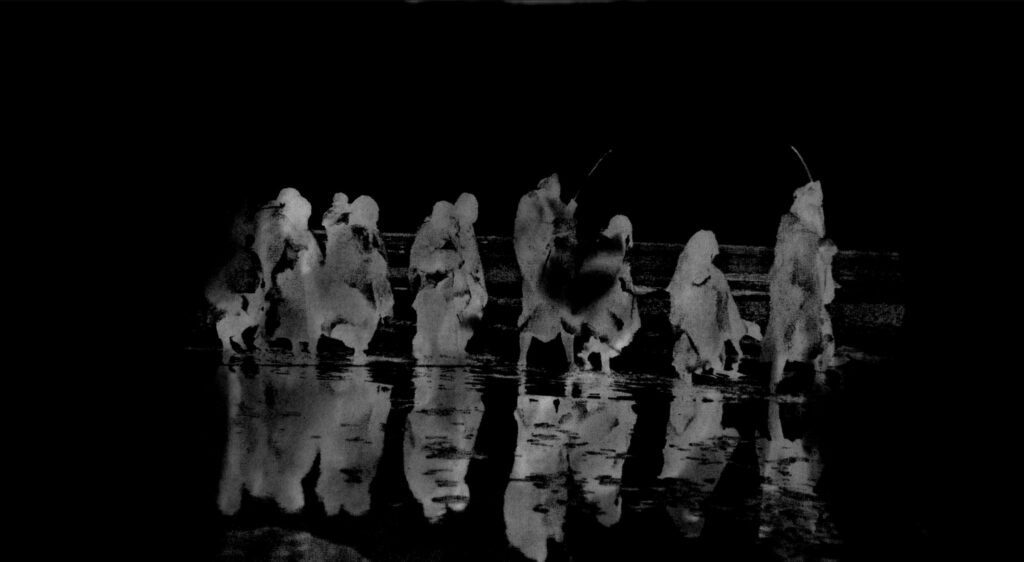
AT/CAN 2025, col & bw, 96 min
When Fire Turns to Ash is a feature-length documentary essay that examines the layered histories of Tierra del Fuego and proposes a decolonized reading of its landscape. Moving between archival thought and present-day observation, the film interrogates how colonial violence, genocide, and cultural erasure continue to resonate within what is often perceived as untouched and “empty” nature.
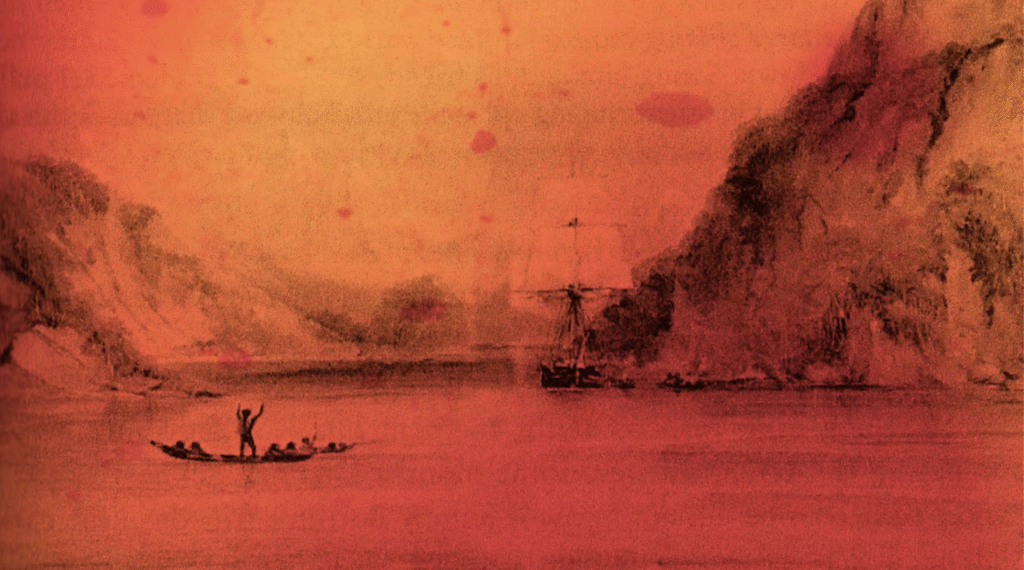
The voice-over is constructed from a constellation of literary and historical sources: colonial travelogues, ethnographic accounts of Indigenous peoples, mythological narratives, nature studies by Charles Darwin, and contemporary genocide research. From these heterogeneous materials, the film weaves a loose but deliberate narrative thread that traces key moments in the history of Tierra del Fuego. Rather than presenting a linear chronology, it illuminates fragments — encounters, classifications, acts of violence, gestures of resistance — allowing them to echo across time.
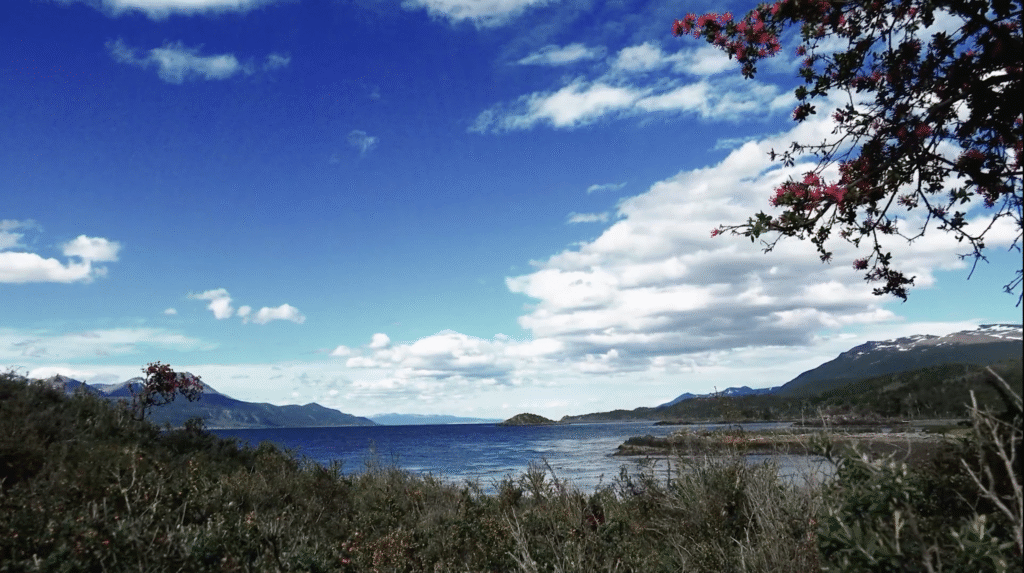
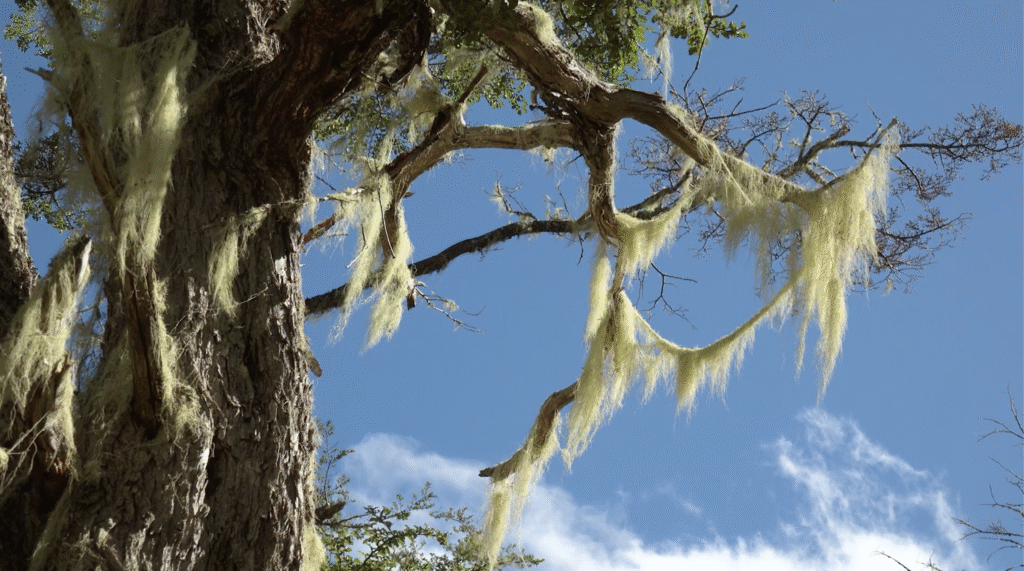
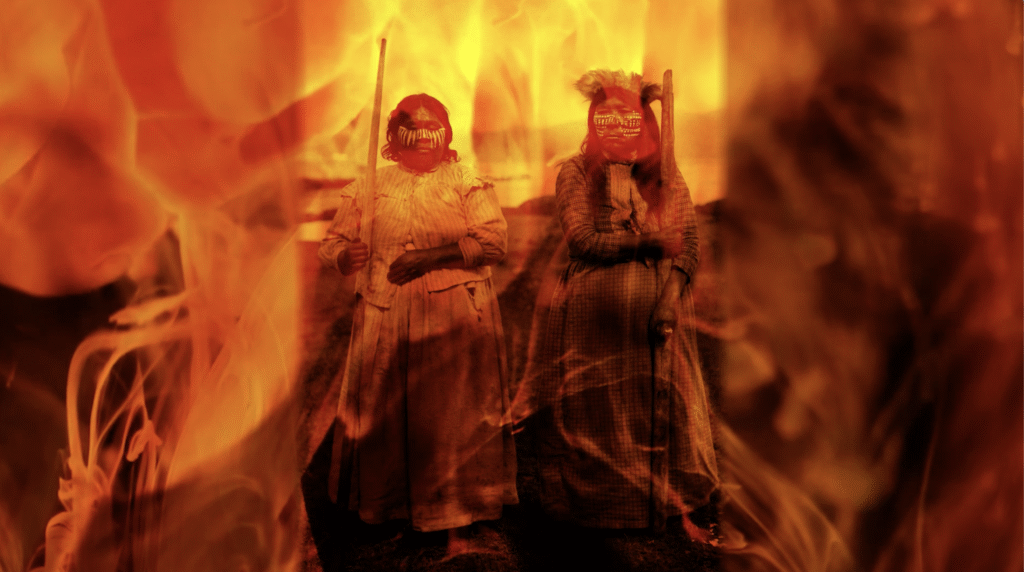
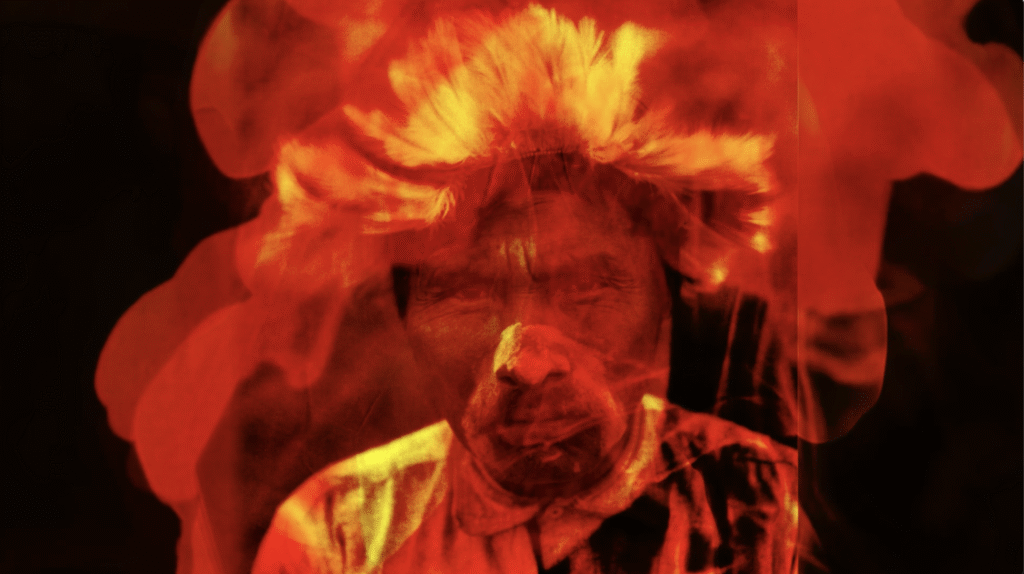
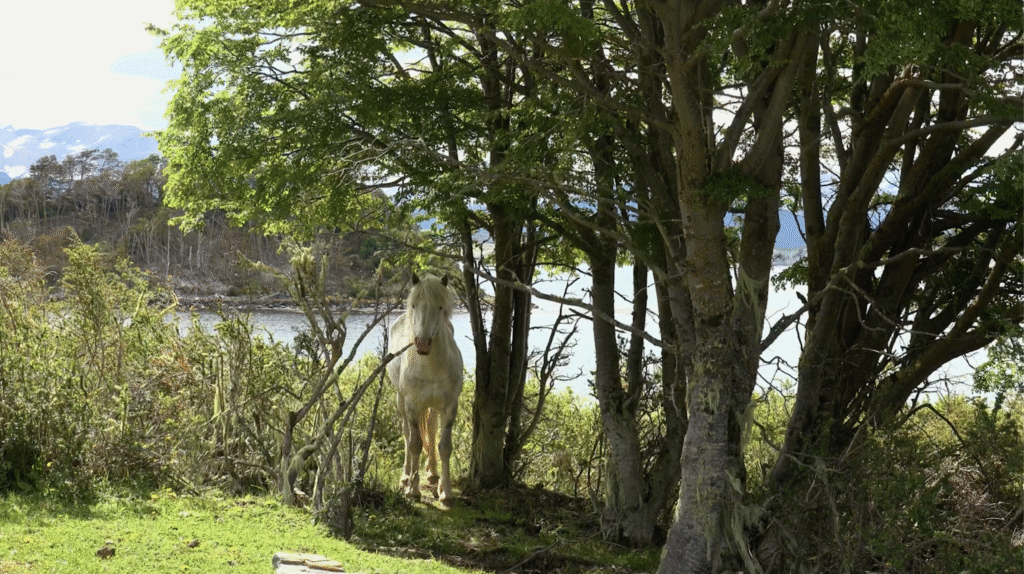
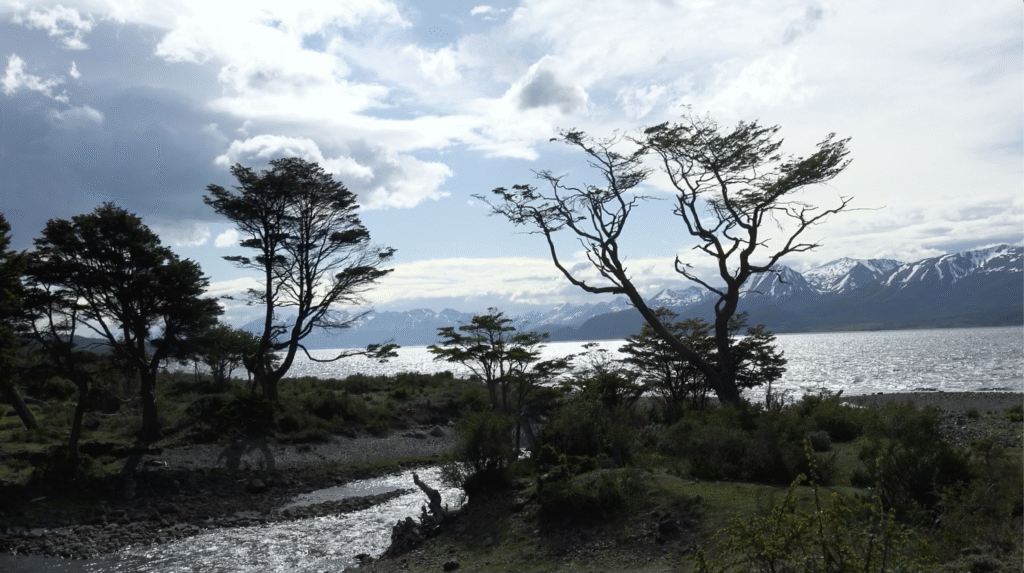
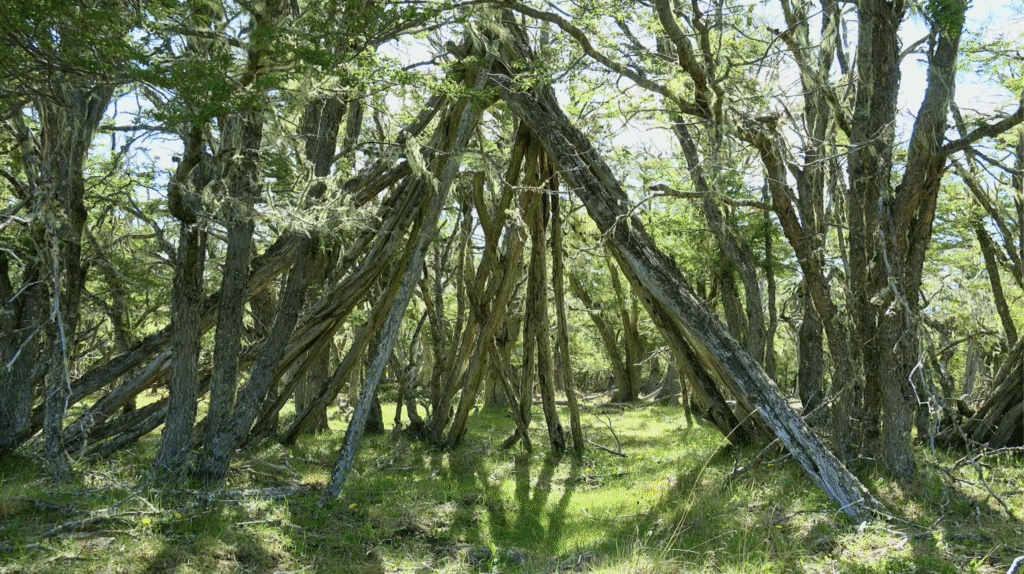
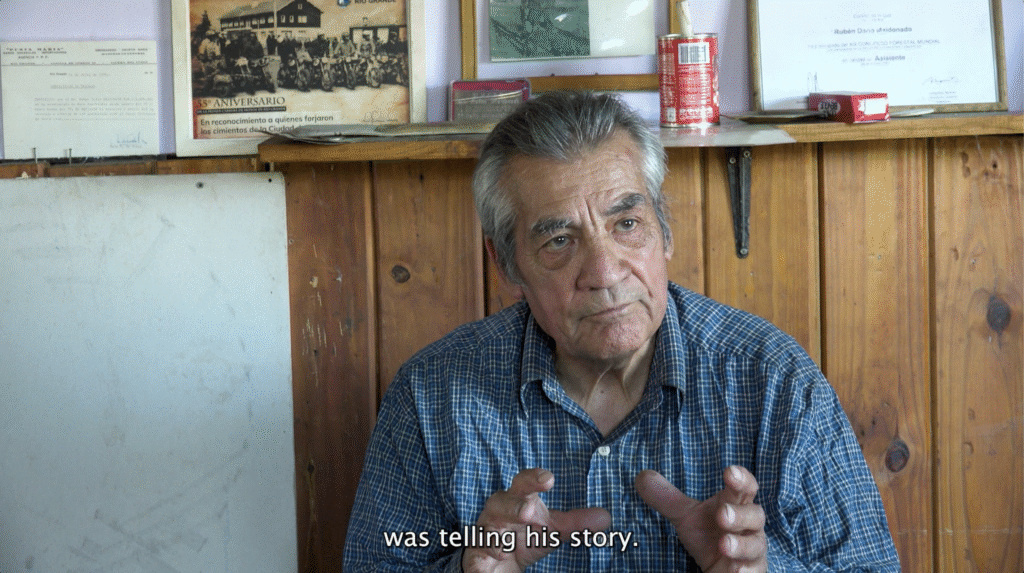
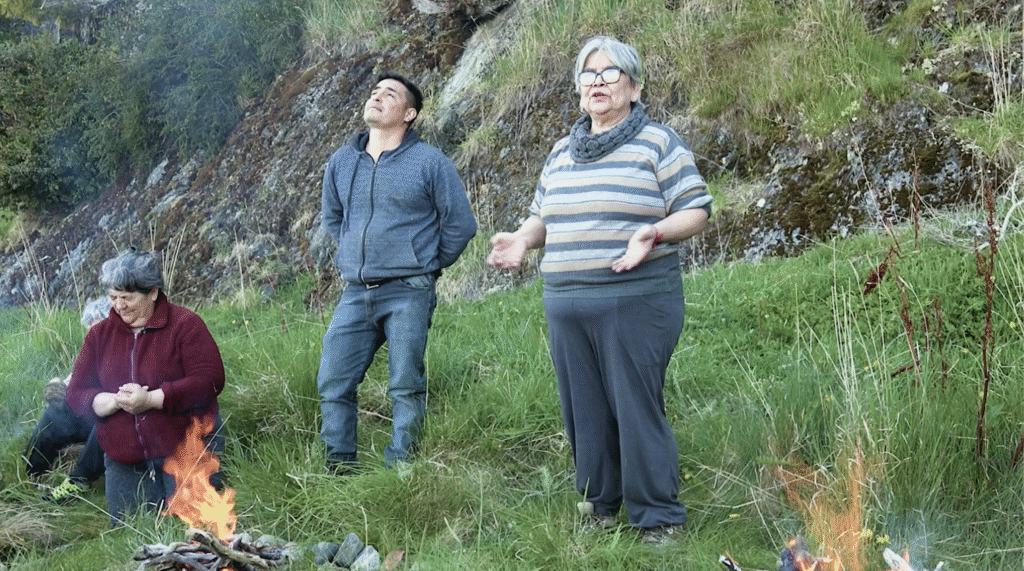
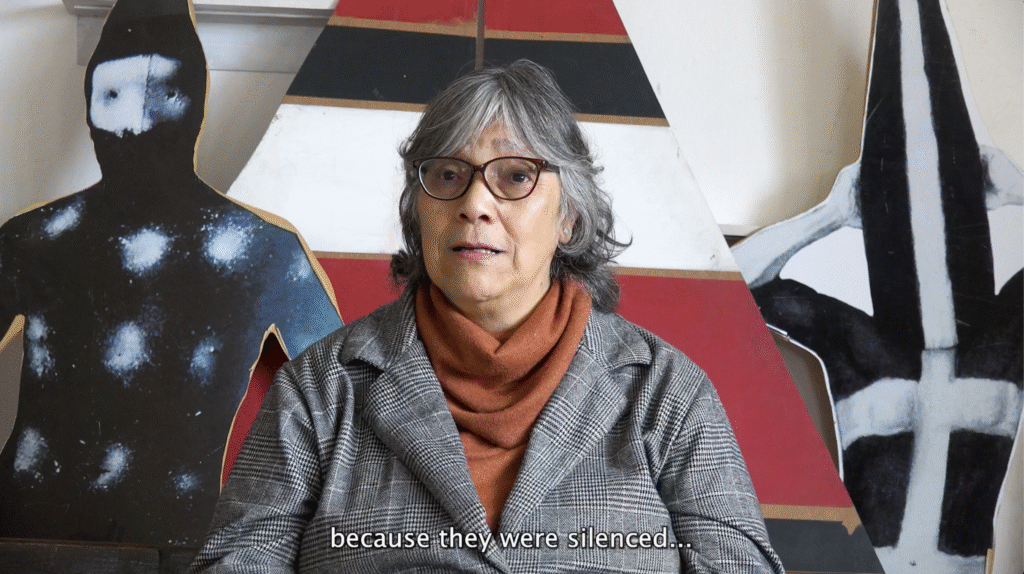
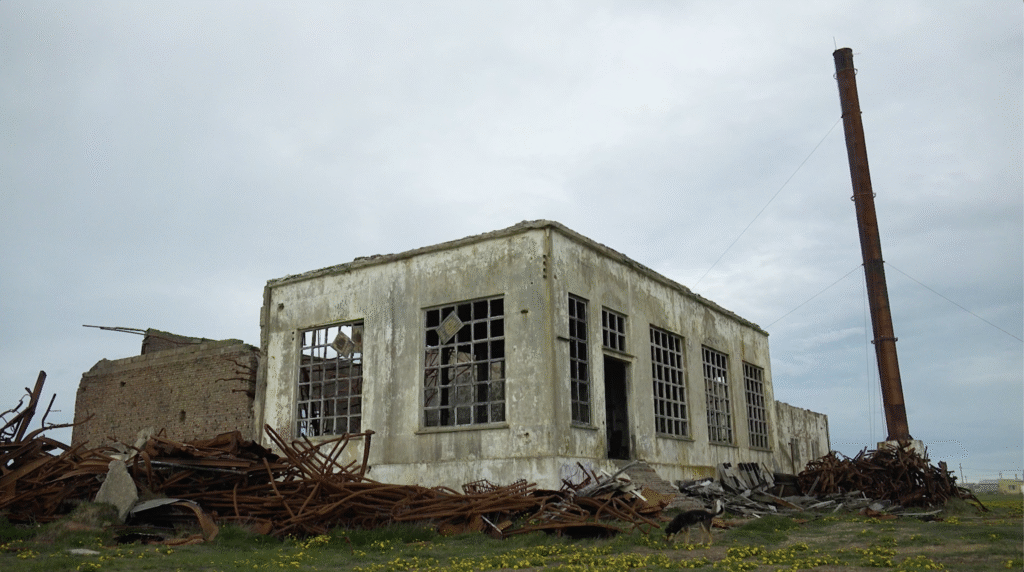
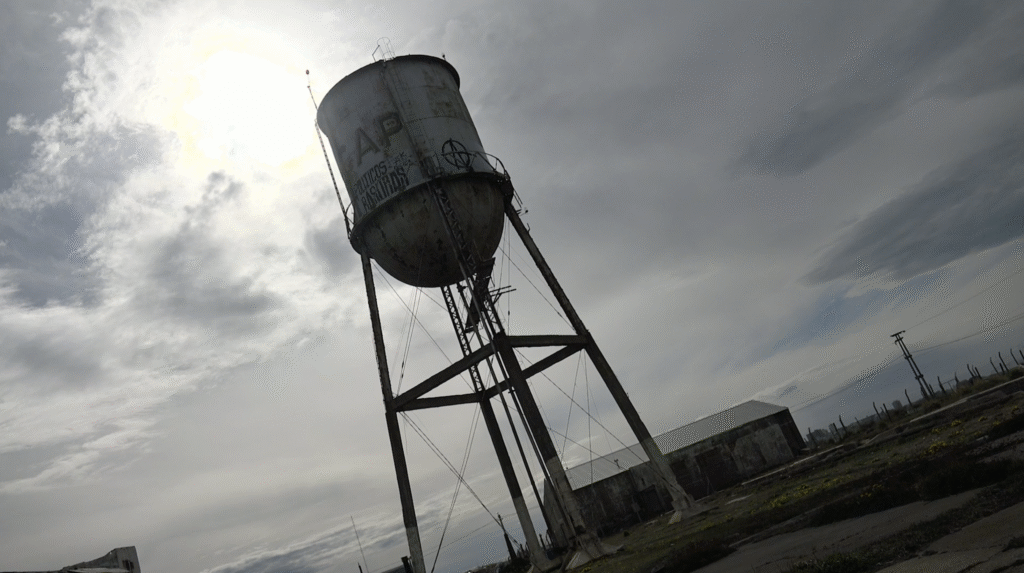
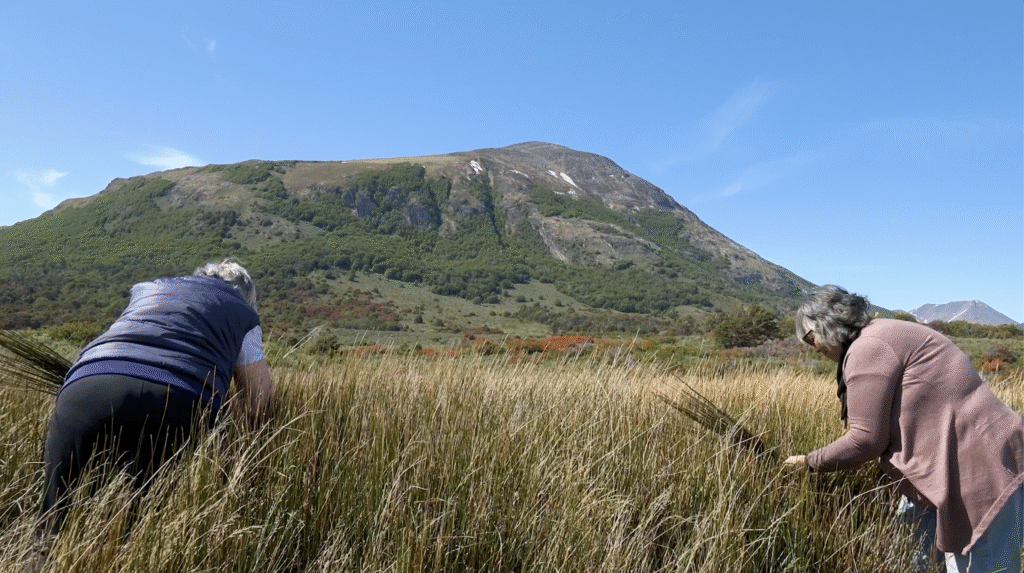
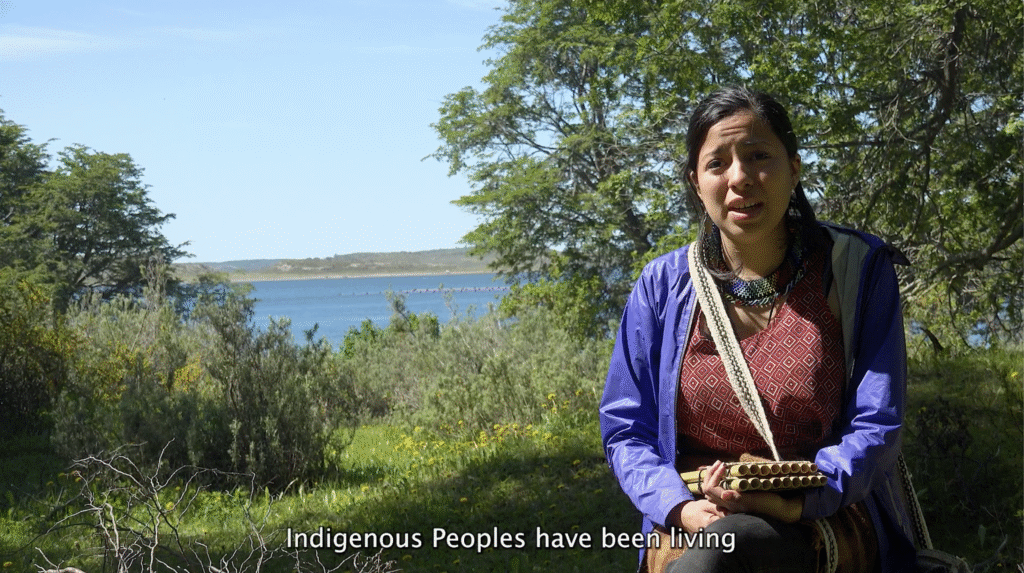
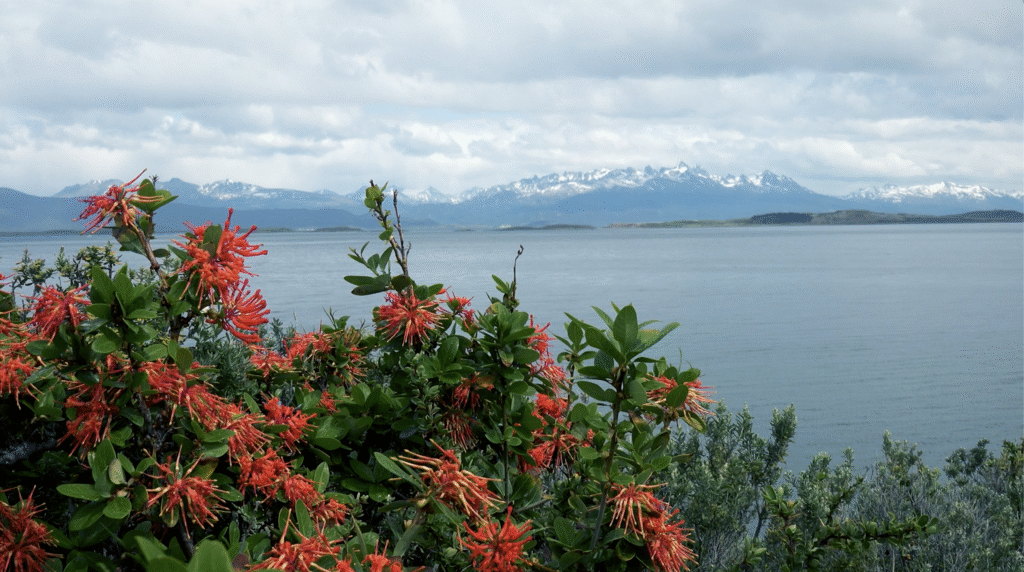
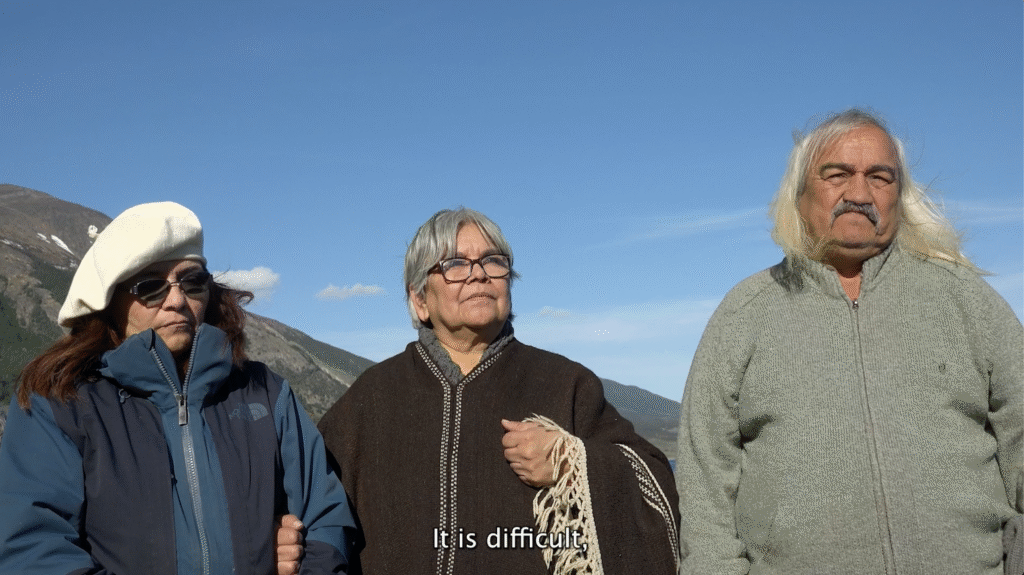
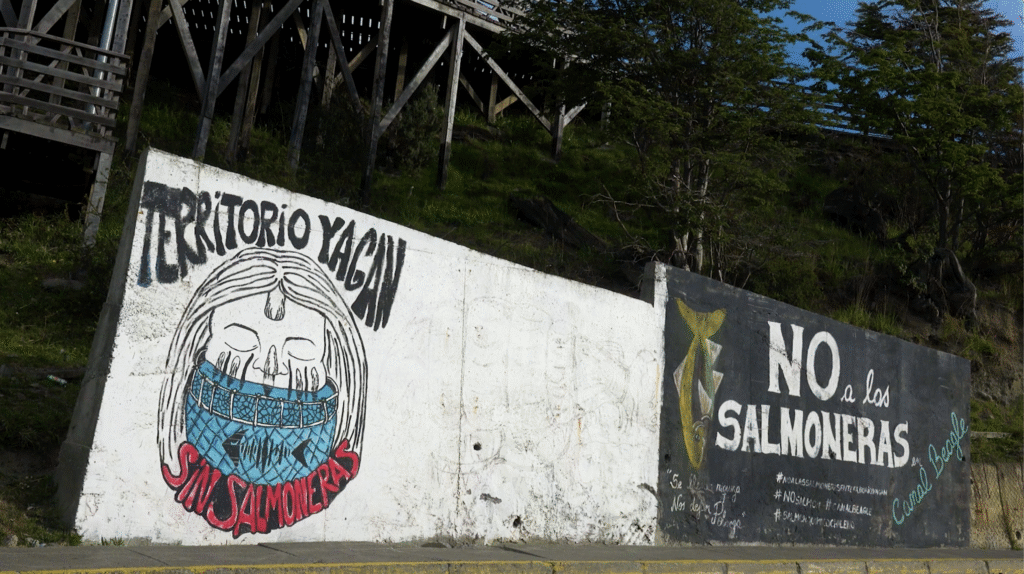
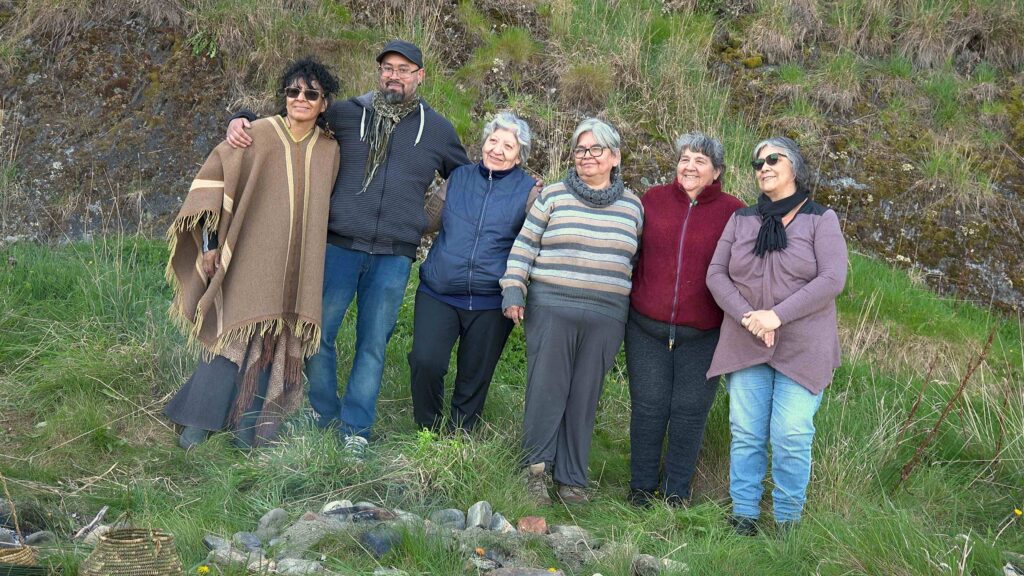
The film unfolds on multiple temporal and epistemic levels. The images remain in the present: windswept plains, coastlines, forests, fire, and ash. The voice-over evokes the colonial past and its ideological frameworks. Interviews with Selk’nam and Yahgan representatives speak from lived experience, articulating how histories of displacement and attempted erasure continue to shape contemporary realities. Through this layering, the film exposes the tension between landscape as aesthetic surface and landscape as historical witness.
At its core, the film explores the interface between nature and disappearing culture. Tierra del Fuego has frequently been framed in colonial narratives as remote, inhospitable, and nearly uninhabited — a territory available for conquest and mythologization. When Fire Turns to Ash challenges this perception by asking what it means to look at a landscape marked by genocide. Can absence be perceived? Can violence be felt in wind, soil, and silence?
The film proceeds from the conviction that history is inscribed in the land. The genocide of the Selk’nam and Yahgan peoples is not only an archival fact but a rupture that reverberates spatially. The apparent emptiness of the landscape is not neutral; it is produced. By lingering on long takes and allowing silence to accumulate, the film seeks to render this absence palpable — not through spectacle, but through attention.
At the same time, the work turns reflexively toward my own position. As a visitor confronted with what is often described as “pristine” wilderness, I question the gaze that finds beauty in emptiness. What does it mean to admire a landscape whose inhabitants were systematically eradicated? The film attempts to unsettle the tourist perspective and replace it with a more accountable way of seeing.
When Fire Turns to Ash does not claim to restore what has been lost. Instead, it creates a space in which the invisible can be sensed, where silence becomes charged, and where landscape is recognized not as neutral scenery but as a site of memory, violence, and ongoing Indigenous presence.
When Fire Turns To Ash is the third instalment in the Ecological Grief Series, which focuses on various aspects of human interaction with nature in the Anthropocene. I try to explore environmental melancholy and the loss of places, species and ecosystems. After animals and inanimate matter, this part focuses on marginalized human groups.
sound, sound design, composition: Nick Kuepfer
voice: Elizabeth Anka Vajagic
indigenous advisors: Alba Chaile, Miguel Pantoja
production manager, translation: Mariana Frandsen
script consultant: Barbara Pichler
sound mastering: Harris Newman
with: Miguel Pantoja, Rubén Maldonado, Tahali Ayelen Villanueva, Estela Maris Maldonado, Teresa Catalina Vargas, Maria Olinda Vargas, Tarsicio Vargas, Daniela Bogarin, Alba Chaile, Margarita Maldonado, Maria Salamanca, José Gonzalez Calderon, Luis Gomez Zarranga
supported by: iff Innovative Film Austria, CINE ART Styria, Wien Kultur
distribution: sixpackfilm
festival placements:
Native Women in FILM Festival Los Angeles/USA, Latino & Native American Film Festival New Haven/USA, Doc Only Copenhagen/DK, Diagonale – Festival of Austrian Film/A, Buenos Aires International Film Festival/ARG, Rivers Int. Film Festival Port Harcourt/NGA, Experimental Brasil/BR, International Cultural Journal Film Award Lviv/UKR, FICA International Environmental Film Festival Goiás/BR, Sabbart Festival Cairo/EGY
prices:
Honorable Mention at Experimental Brasil/BR




FULL LENGTH INTERVIEWS
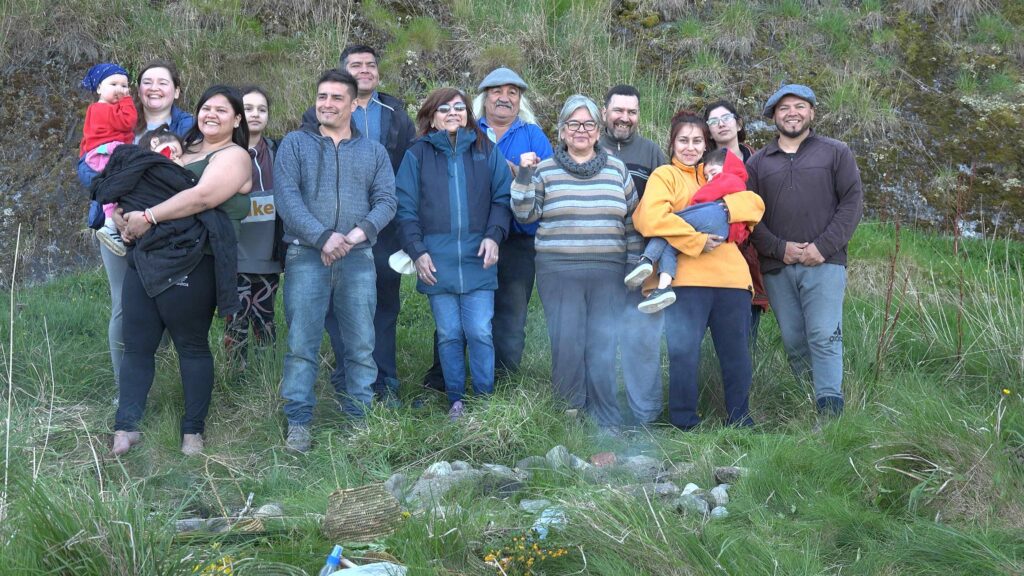
Selk’nam community:
Estela Maris Maldonado
Margarita Maldonado
Rubén Maldonado
Miguel Pantoja
Maria Salamanca
Yagan community:
Daniela Bogarin
Eugenio Calderón (due to technical problems during recording, image only starts at 8’30 / debido a problemas técnicos durante la grabación, la imagen sólo comienza a las 8’30)
José González Calderón
Julia González Calderón (due to technical problems during recording, there is no image / debido a problemas técnicos durante la grabación, no hay imagen)
Maria Olinda Vargas, Teresa Catalina Vargas, Tarsicio Vargas
Luis Gomez Zárraga
other voices:
Tahali Ayelen Villanueva
Alberto Serrano Fillol
If you want to support the Casa Cultural Selk’nam which is a central space for Selk’nam culture and activity in Rio Grande, please send your donation via paypal to shesces@outlook.com. The funds are managed by Miguel Pantoja and even a small donation makes a big difference in these challenging times. Thank you!
Si quieres apoyar a la Casa Cultural Selk’nam que es un espacio central para la cultura y actividad Selk’nam en Río Grande, por favor envía tu donación vía paypal a shesces@outlook.com. Los fondos son administrados por Miguel Pantoja e incluso una pequeña donación hace una gran diferencia en estos tiempos difíciles. Muchas gracias!